
The longer floodwater sits, the greater the damage — act fast to protect your property.
Professional Flood Damage Restoration Services for Homes & Businesses
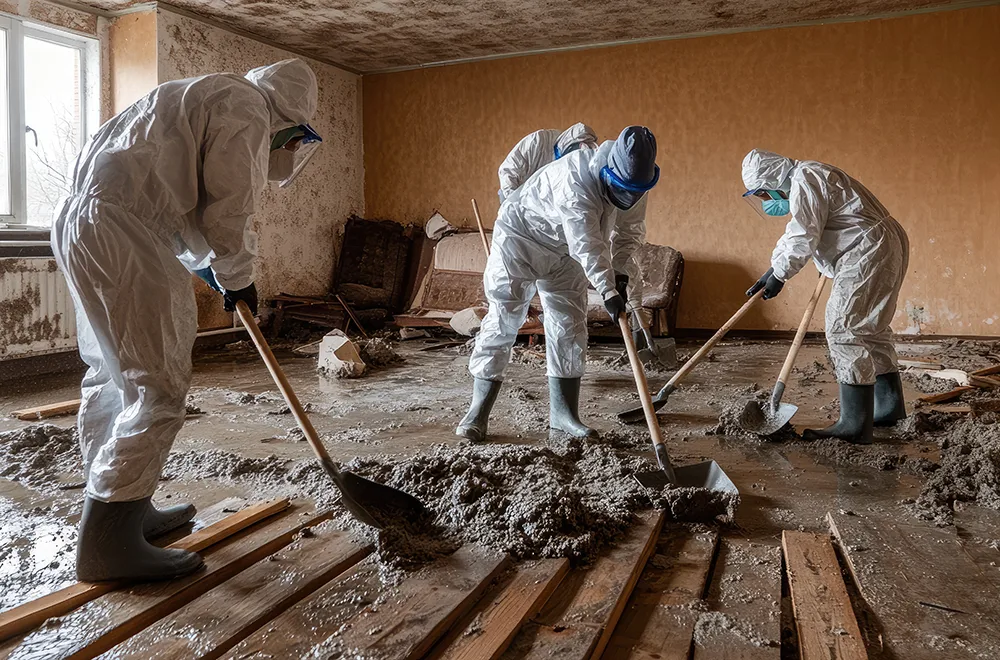
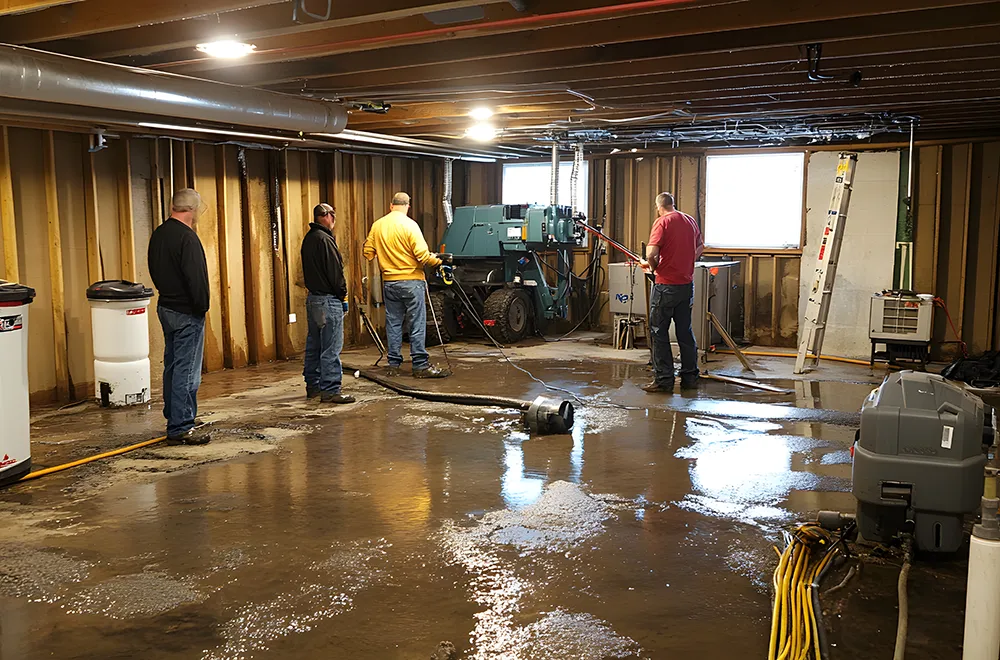
Flood damage requires more than a mop and a few fans. It demands coordinated damage mitigation, specialized equipment, and experienced restoration professionals who understand how water and moisture travel through a structure. Our flood damage restoration services begin with rapid emergency response and site stabilization, followed by high-capacity water extraction to remove standing water and reduce the risk of structural damage.
From there, we implement structural drying and dehumidification to address hidden moisture within walls, flooring, and other affected areas. We also handle debris removal, disposal of contaminated materials such as damaged carpet and insulation, and full sanitization to reduce health risks and help prevent mold growth. Whether it’s residential water damage restoration or large-scale commercial water damage, our restoration company has the equipment and trained technicians to manage the full scope of the loss.
"PCC was dependable, paid attention to details, and did excellent work. PCC also followed through on all areas of the job, left the restored areas clean, and arranged for replacement of the furniture, art work and accessories. We had used PCC in a previous water damage situation with similar results. We consider PCC trustworthy and would recommend them."
- Patricia D. Dickman, Tulsa (Residential Customer)
What Makes Flood Damage Different from Other Water Damage
Not all water damage is equal. A small plumbing leak is very different from floodwater pushing through doors and foundation walls. Flood restoration requires a higher level of care, safety protocols, and structural evaluation.
Category 3 (Black Water) Contamination Risks
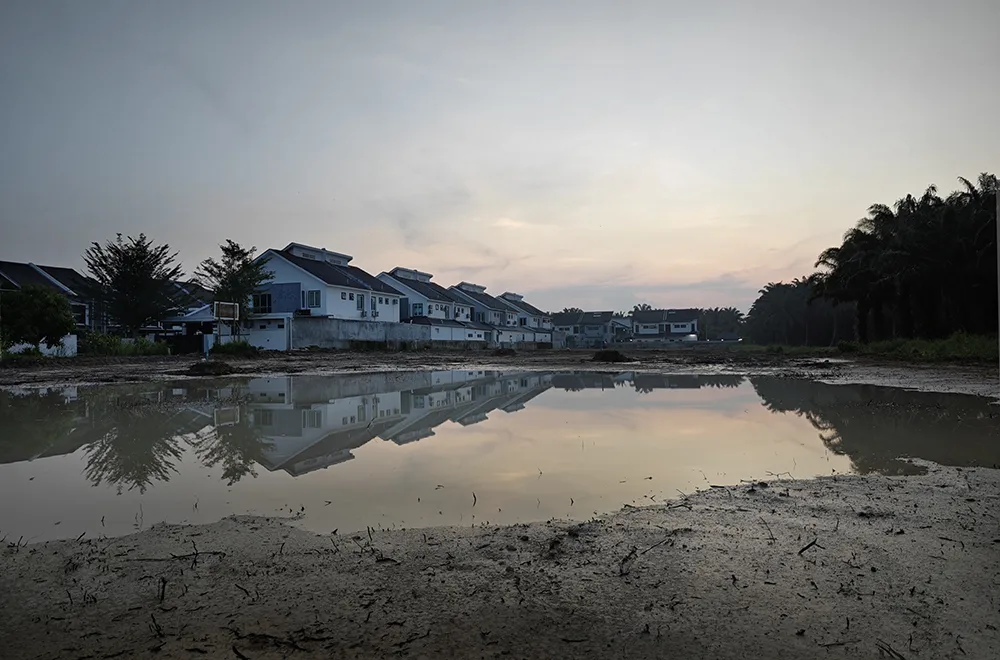
Floodwater is typically classified as Category 3, often called “black water,” meaning it may contain sewage, bacteria, chemicals, and debris from outside. This type of water poses serious health risks and requires professional water damage restoration services to handle safely. Direct contact is unsafe, and porous materials such as carpet and drywall are often not salvageable. Our technicians follow strict industry standards set by the Institute of Inspection, Cleaning and Restoration Certification (IICRC) to manage contamination and protect the people within the property.
Structural Saturation & Hidden Moisture
Unlike a simple leak, flood water saturates multiple areas of the structure at once. It seeps into insulation, subflooring, framing, and even the foundation. Excess water can wick upward into drywall and affect the ceiling of lower levels. The amount and type of water both influence the extent of damage. Without thorough water extraction and drying, moisture trapped in walls and under flooring can compromise structural components and weaken your home's integrity over time.
Rapid Mold Growth After Flooding
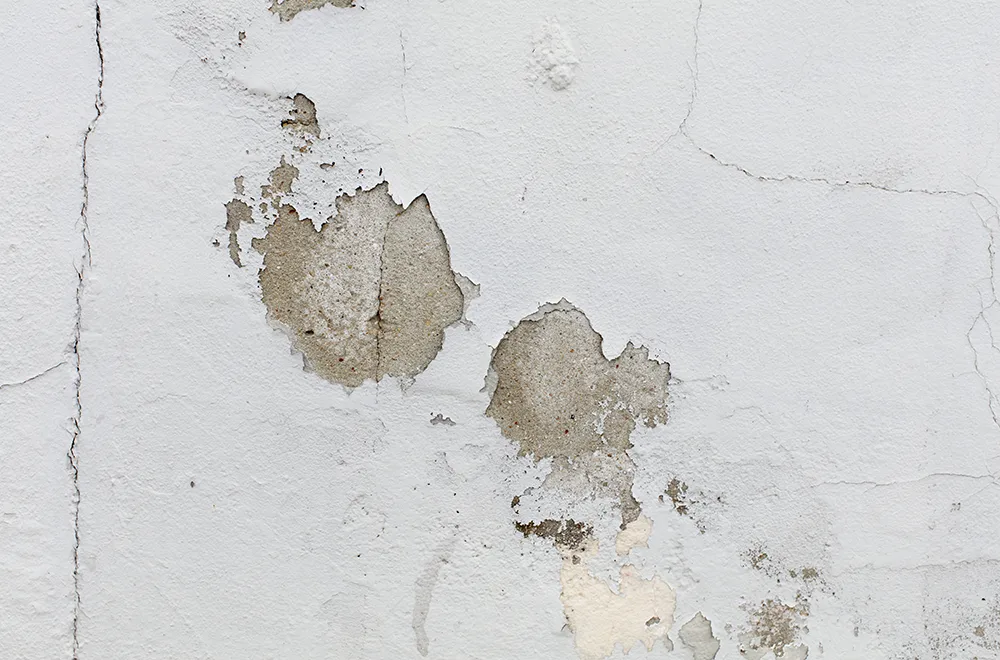
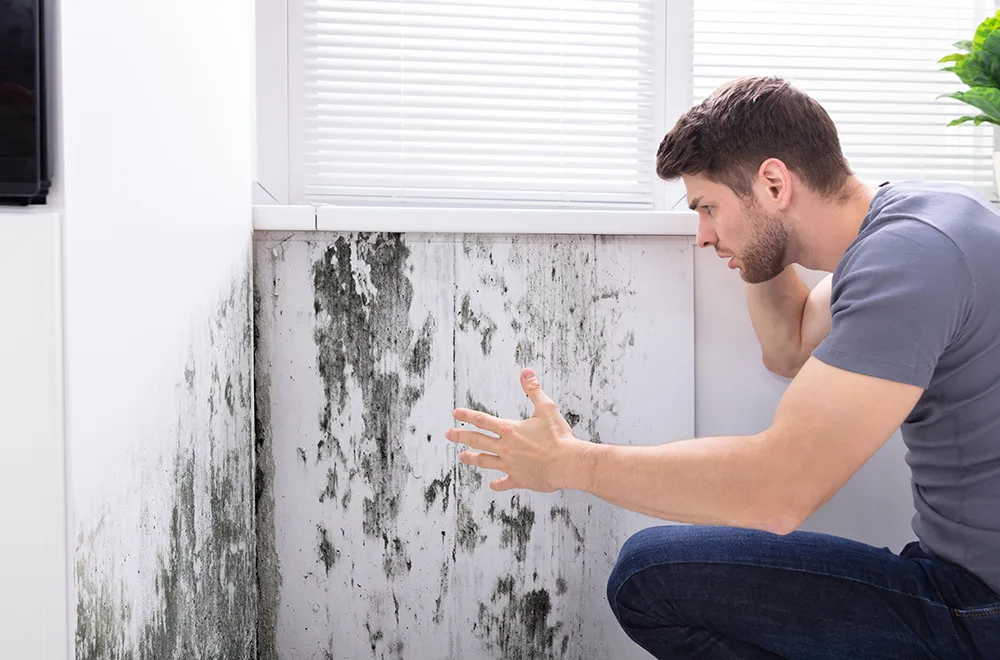
Mold growth can begin within 24 to 48 hours after flood damage if materials remain wet. That’s why efficient water damage mitigation is essential. When water damage to your home isn’t addressed immediately, lingering moisture can lead to mold growth behind walls or under flooring. If contamination is discovered, we can coordinate full mold remediation as part of your broader water damage restoration process, helping prevent long-term issues that affect indoor air quality and structural stability.
Our Flood Damage Restoration Process
At PCC, we understand that flood restoration is not guesswork. It follows a structured, professional restoration plan designed to move your property from crisis to recovery as efficiently as possible.
Step 1
Step 2
Step 3
Step 4
Step 5
Step 6
Residential Flood Damage Restoration
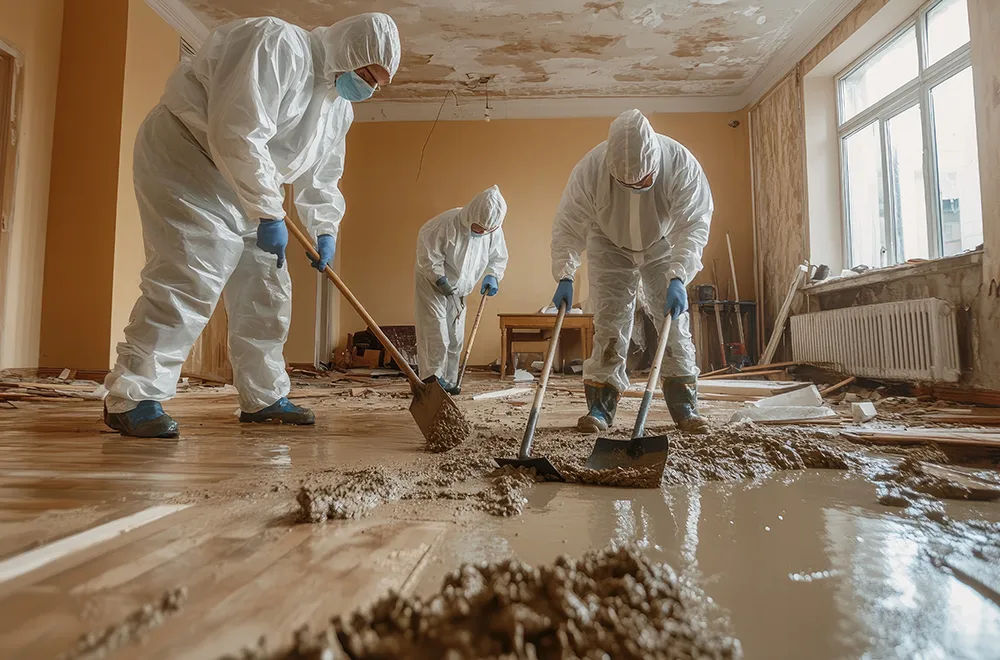
When flood damage impacts your home, the stakes feel personal. You’re worried about safety, property damage, and protecting the things that matter most. Our residential flood damage restoration services focus on securing the structure, safeguarding belongings, and preventing long-term structural damage. If a temporary relocation is needed, we work efficiently to minimize disruption and restore your property so life can return to normal as quickly as possible.
Commercial Flood Damage Restoration Services
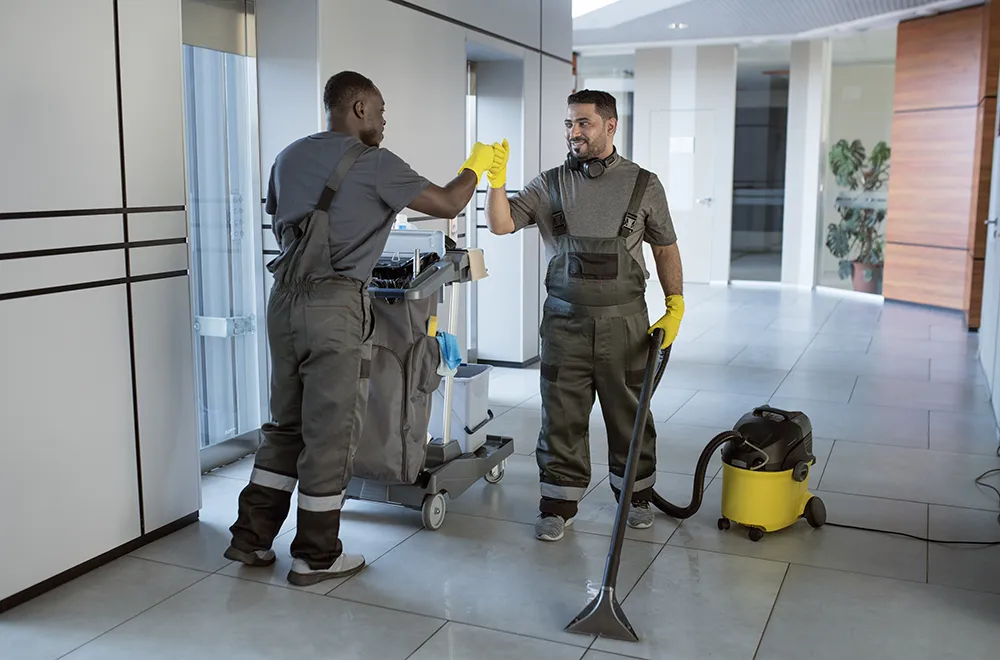
Flood damage in a commercial setting affects more than walls and floors. It affects revenue, employees, and customers. Our commercial water damage restoration services are built around minimizing downtime and protecting equipment, inventory, and critical areas of the property. With large-loss capacity and advanced equipment to quickly remove water, we help businesses get back to business while maintaining discreet, professional operations throughout the restoration process.
Common Causes of Flood Damage in Oklahoma & Northwest Arkansas
Flood damage in this region is often tied to weather patterns and drainage challenges unique to Tulsa, Oklahoma and Northwest Arkansas. Understanding the risks helps property owners act quickly when conditions turn severe.

Flash Flooding & Severe Storms
Spring and early summer storms can produce intense rainfall in a short period. Flash flooding overwhelms drainage systems, pushing water into homes and commercial buildings. Even properties that have never experienced issues before can suffer sudden water damage during extreme weather.
River & Creek Overflow
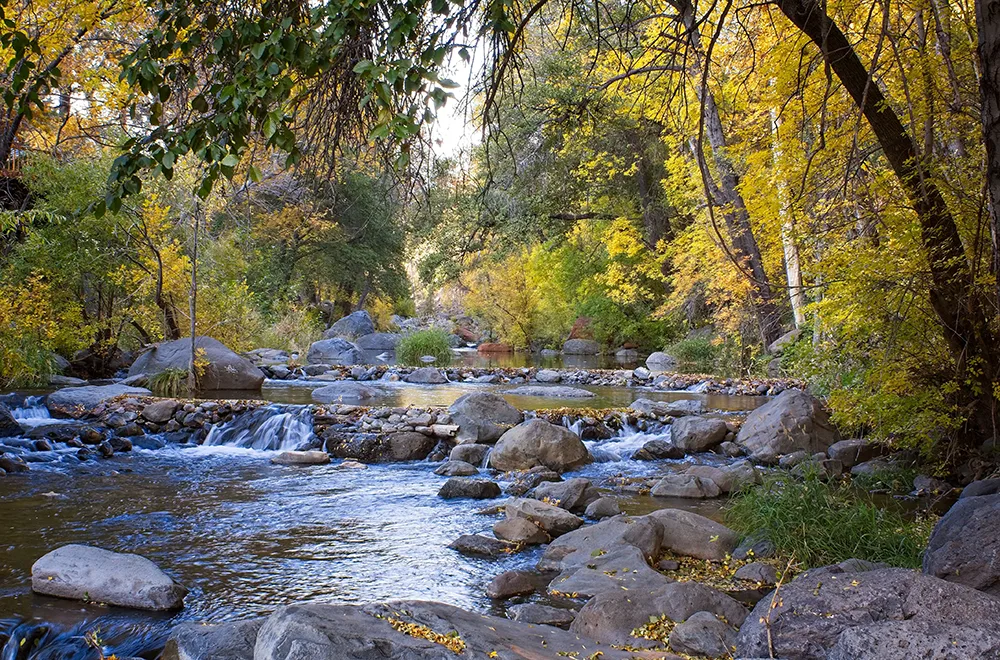
Properties near rivers and creeks face additional risk when heavy rains cause water levels to rise rapidly. Overflow can send floodwater across roads and into low-lying areas, leading to widespread structural saturation and significant damage to your property.
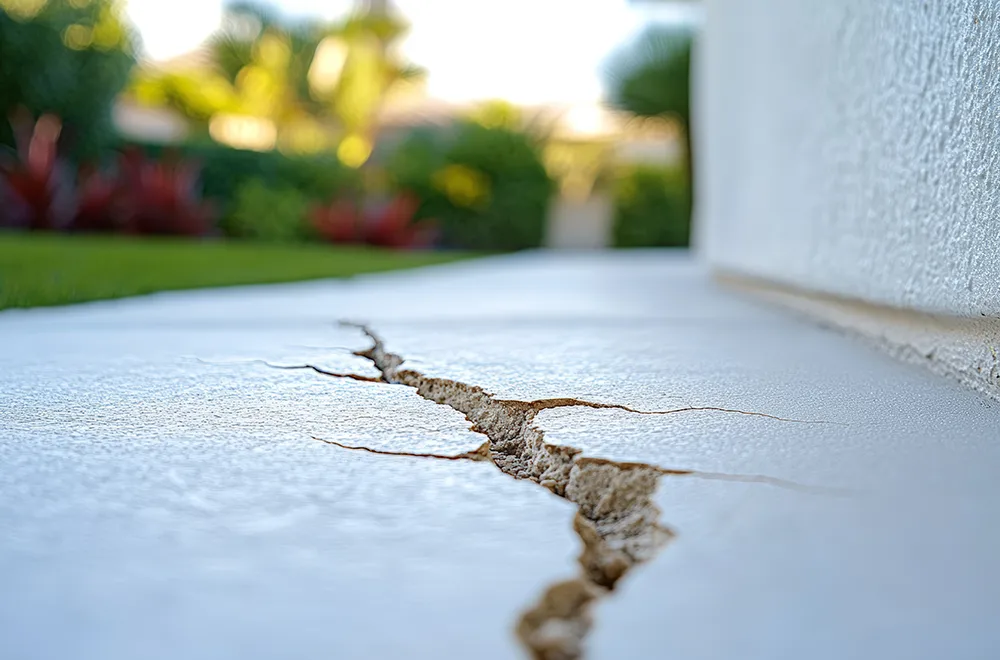
Foundation & Drainage Failures
Poor grading, clogged drainage systems, or foundation cracks allow water to penetrate basements and crawl spaces. When large volumes of rain accumulate around a structure, hydrostatic pressure can force water inside, affecting multiple areas of the property at once.
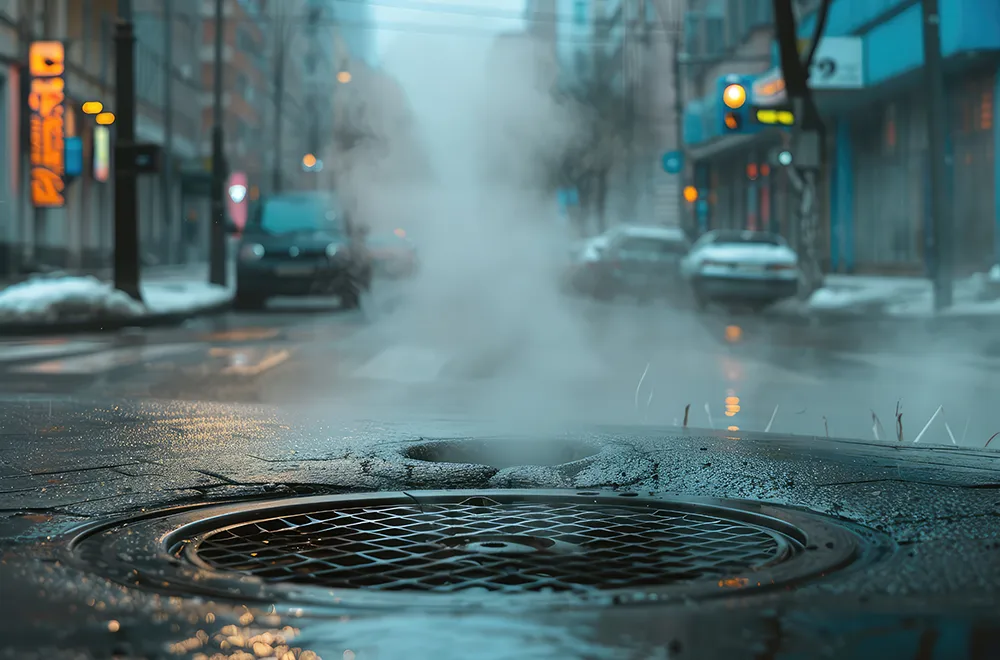
Sewer Backup During Heavy Rain
During major storms, municipal systems can become overwhelmed, leading to sewer backup. This introduces contaminated water into homes and businesses, increasing health risks and requiring immediate professional remediation and cleanup.
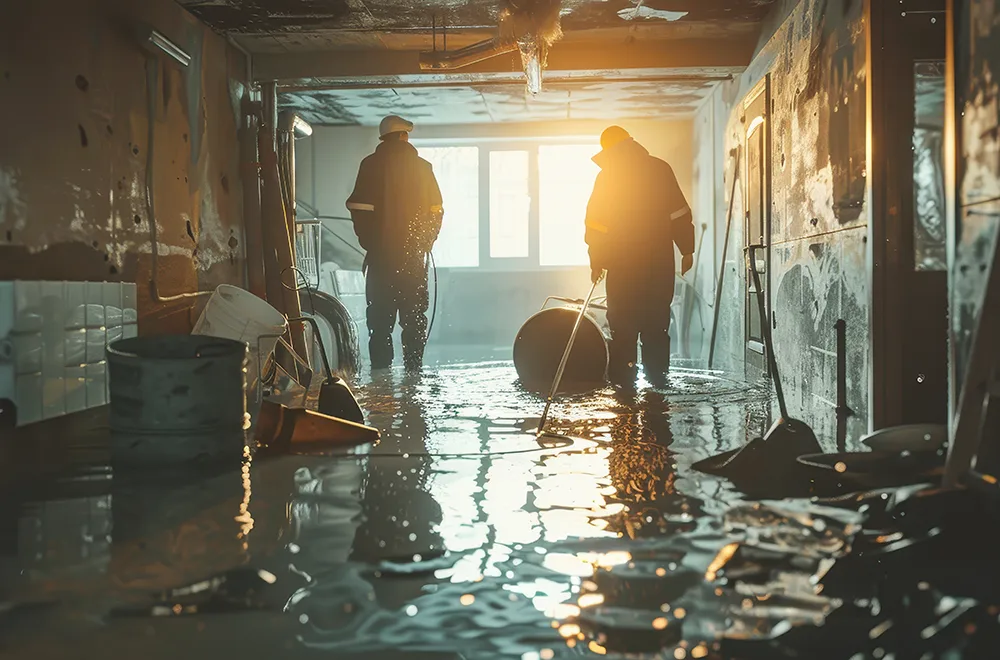
Why Choose PCC for Flood Damage Restoration
Serving Tulsa & Northwest Arkansas Since 2001: Trusted local experience in large-loss restoration.
IICRC Certified Firm: Industry standards through the Institute of Inspection, Cleaning, and Restoration Certification.
Insurance-Recognized & Claim Support: We work directly with your insurance company to streamline documentation and claims.
Advanced Drying & Extraction Equipment: Professional-grade tools for efficient water removal.
Complete Restoration Lifecycle: From mitigation through the full reconstruction process.
Residential & Commercial Capability: PCC is equipped for homes, facilities, and commercial properties.
Our focus is on capability, accountability, and restoring properties to their pre-damage condition the right way.
The flood may be over, but the damage isn’t. Let’s dry, stabilize, and restore your property
Frequently Asked Questions About Flood Damage Restoration
Flood damage typically involves contaminated Category 3 water and affects multiple areas at once. It requires specialized cleanup and structural drying beyond standard water damage restoration.
Restoration should begin immediately, ideally within the first 24 hours, to reduce structural damage and help prevent mold growth.
Yes. Floodwater often contains sewage, bacteria, and debris, making professional handling and proper protective equipment essential.
It includes emergency response, water extraction, structural drying, debris removal, sanitization, and repairs to restore the property to its pre-damage condition.
Coverage depends on your policy. Standard homeowners insurance may not cover flooding without a separate flood insurance policy, so it’s important to review your coverage.
Get Immediate Help for Flood Damage
Flood damage escalates quickly, and waiting only increases the extent of damage. If your home or business in Tulsa or Northwest Arkansas has been affected by flood water, our team is ready to respond with professional water damage restoration services designed to protect your property and move you toward recovery.
Contact PCC today to schedule immediate flood damage restoration and take the first step toward restoring your property and your peace of mind.